

Uncategorized
What Is Tepezcohuite? The Ancient Mayan “Skin Tree” in Modern Natural Cosmetics
Tepezcohuite (pronounced teh-pez-co-WEE-tay) is the traditional Mexican name for the bark of Mimosa tenuiflora (syn. Mimosa hostilis). Revered for over a millennium in Mayan and Mesoamerican herbalism as the “tree of the hill that produces skin” (from the Nahuatl tepetl [hill] and cuahuitl [tree]), this botanical extract has transitioned from ancient burn remedies to an anti-aging and barrier-repair ingredient in clean-beauty skincare.
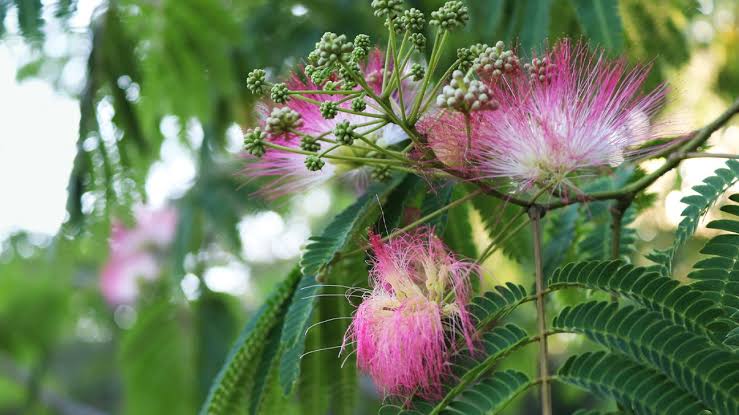
1. Why Tepezcohuite Gained Global Acclaim
In traditional medicine, pulverized Tepezcohuite bark was dusted directly over surface wounds, burns, and lesions to stop bleeding and shield damaged tissue.
Modern clinical interest erupted after two catastrophic events in Mexico: the 1984 San Juanico liquefied petroleum gas explosion and the 1985 Mexico City earthquake. Faced with massive civilian burns and severe shortages of conventional pharmaceuticals, medical teams applied powdered Tepezcohuite bark topically. The treatment demonstrated remarkable anti-infective, pain-relieving, and tissue-regenerating outcomes, leading Mexican researchers and global dermatologists to analyze its bioactive phytochemistry.
Later popularized globally when international clean-beauty brands and figures like Salma Hayek credited it for youthful skin without invasive treatments, Tepezcohuite emerged as an alternative to harsh synthetic actives.
2. Key Phytochemicals: What Makes It Work on Skin?
The therapeutic properties of Tepezcohuite lie in the synergy of four classes of naturally occurring botanical compounds concentrated within its bark:
| Compound Group | Concentration / Compounds | Dermatological Function |
| Condensed Tannins | Up to 16%–20% (proanthocyanidins) | Potent natural astringency; cross-links surface proteins to firm pores, balance sebum, and form a protective barrier against bacteria. |
| Triterpenoid Saponins | Mimonoside A, B, and C | Stimulates cellular proliferation, accelerates fibroblast turnover, and promotes natural collagen synthesis. |
| Bioflavonoids & Chalcones | Kukulkanins A & B, quercetins | Neutralizes free-radical oxidative stress, combats environmental UV damage, and calms systemic redness. |
| Micronutrients & Phytosterols | Zinc, copper, manganese, lupeol | Essential cofactor minerals that nourish damaged dermal layers and improve elasticity. |
3. Top Skincare Benefits of Tepezcohuite
Accelerates Wound & Blemish Healing
The triterpenoid saponins in Tepezcohuite stimulate fibroblasts—the primary cells responsible for building new extracellular matrix and collagen. When applied to acne scars, minor cuts, or blemishes, it expedites tissue remodeling, reducing the duration and visual redness of post-inflammatory hyperpigmentation (PIH).
Calms Sensitive, Inflamed, and Reactive Skin
Thanks to its bioflavonoid density, Tepezcohuite exerts noticeable soothing effects on contact dermatitis, sunburn, eczema flare-ups, and psoriasis. It inhibits pro-inflammatory enzymes, calming the burning sensation associated with compromised skin barriers.
Balances Oily & Acne-Prone Complexions
Unlike alcohol-based toners that strip skin and trigger rebound oil production, Tepezcohuite’s condensed tannins tone the skin naturally. Their natural antimicrobial and astringent properties reduce surface sebum without drying out the epidermis.
Natural Anti-Aging & Barrier Restoration
By defending against lipid peroxidation, Tepezcohuite protects existing dermal elastin and collagen from degradation. Its natural tannins tighten lax epidermal tissue, refining texture and softening the appearance of fine surface lines.
4. How to Use Tepezcohuite in Handcrafted Cosmetics
Artisans and skincare formulators utilize Tepezcohuite in two primary forms: micronized powder and botanical oil infusions.
Cold-Process Soapmaking
- Appearance: Micro-milled Tepezcohuite powder (available as MHRB Powder) creates a rich, reddish-brown marbled swirl.
- Usage Rate: Disperse 1 to 2 teaspoons per pound (approx. 5–10 g per 500 g) of soaping oils. Blend the powder with a tablespoon of warm water or light carrier oil before stirring it into your soap batter at light trace.
- Skin Feel: Adds mild, velvety botanical exfoliation alongside the astringent benefits of tannins.
Formulating Soothing Salves & Balms (Oil Maceration)
Fine powder can leave a gritty texture in leave-on salves. For balms, use shredded bark to make an infused botanical oil:
- The Maceration: Place 50 g of MHRB Shredded into a clean jar and cover with 250 ml of heat-stable carrier oil (such as jojoba, sweet almond, or meadowfoam oil).
- Infusion: Heat gently in a double boiler (keep below 60°C) for 3 to 4 hours, or let it steep on a sunny windowsill for 4 to 6 weeks.
- Straining: Strain through a fine sieve or cheesecloth. The resulting oil will possess a warm amber-red hue.
- Balm Base: Melt 80% infused oil with 20% natural beeswax or candelilla wax and pour into jars for a barrier-repair balm.
Clarifying Clay Face Masks
Mix 1/2 teaspoon of finely powdered Tepezcohuite with 1 tablespoon of French green or bentonite clay. Hydrate with rosewater or witch hazel to create a weekly detoxifying, pore-tightening facial treatment.
5. Safety, Skin Patch Testing & Quality Standards
- Patch Test Before Use: Because pure Tepezcohuite is rich in active tannins, always perform a 24-hour patch test on the inner forearm before applying leave-on products to your face.
- Powder Fineness Matters: When formulating facial creams, ensure the powder is ground to 100-mesh or finer. Coarse grinds can cause micro-tears on sensitive skin.
- Source Authenticity: Beware of cosmetic products using synthetic brown dyes. Authentic Tepezcohuite yields an earthy, reddish-violet or rich clay-brown hue with a clean, woodsy, tea-like scent.

Frequently Asked Questions (FAQ)
Is Tepezcohuite the same thing as Mimosa hostilis root bark (MHRB)?
Yes. Tepezcohuite is the vernacular Mexican name for Mimosa tenuiflora (historically known as Mimosa hostilis). While traditional Mexican cosmetics often utilize both trunk and root bark, the inner root bark (MHRB) contains the highest concentration of tannins, saponins, and flavonoids.
Can Tepezcohuite help with severe burns?
While historical and Mexican clinical studies show extraordinary efficacy for burns, modern medical emergencies require immediate professional hospital care. Tepezcohuite is best used for minor household burns, sun exposure, and superficial skin irritation.
Does applying Tepezcohuite topically have any psychoactive effects?
No. While the inner root bark naturally synthesizes trace indole alkaloids, these compounds are not absorbed through topical applications in a psychoactive manner. Skincare uses are entirely external and non-intoxicating.
Summary
Tepezcohuite has earned its reputation as the Mayan “skin tree” by offering a natural, multi-action alternative to harsh chemical astringents and synthetic scar treatments. Rich in cell-renewing saponins, antioxidant flavonoids, and barrier-tightening tannins, it is one of nature’s most effective botanicals for healthy, resilient skin.
