Brazilian – Mimosa hostilis Inner Root Bark (MHRB) – Powder
Looking for rich purple-violet pigments and traditional South American botanical potency? Our Brazilian – Mimosa hostilis Inner Root Bark (MHRB) – Powder brings you 100% authentic, micronised inner root bark harvested from sustainably stewarded Mimosa tenuiflora groves across the semi-arid Caatinga region of northeastern Brazil (Bahia and Pernambuco).
Known locally as Jurema Preta, this Brazilian botanical is revered by textile dyers, leather artisans, and botanical researchers for its uniquely high tannin density and signature deep-violet chromatic profile.
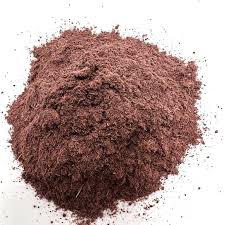
Brazilian – Mimosa hostilis Inner Root Bark (MHRB) – Powder
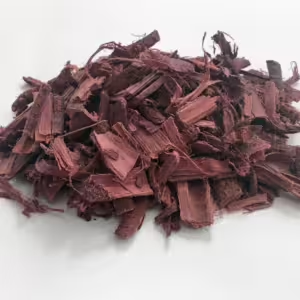
Brazilian – Mimosa hostilis Inner Root Bark (MHRB) – Powder
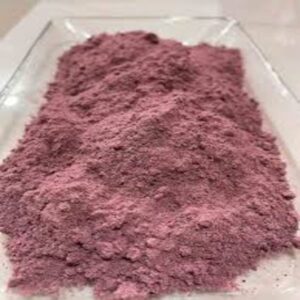
Brazilian – Mimosa hostilis Inner Root Bark (MHRB) – Powder
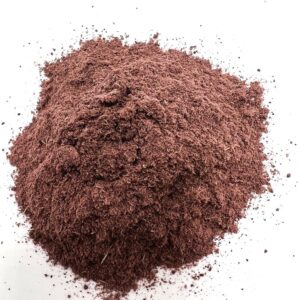
Brazilian – Mimosa hostilis Inner Root Bark (MHRB) – Powder
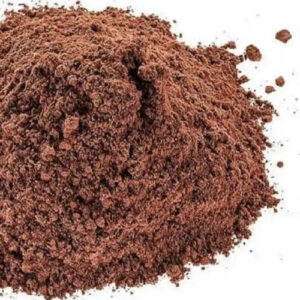
Brazilian – Mimosa hostilis Inner Root Bark (MHRB) – Powder
What Sets Brazilian MHRB Apart?
Root bark cultivated in the mineral-rich, semi-arid soils of northeastern Brazil develops a distinct biochemical composition compared to varieties grown elsewhere:
-
Darker, Deeper Chromatic Profile: Brazilian Jurema Preta is famous for producing richer plum, aubergine, slate-violet, and dark espresso tones, making it the preferred choice for artisans wanting dramatic, deep colours.
-
Exceptionally High Condensed Tannins: The harsh, sun-drenched Caatinga climate triggers the plant to store high levels of protective polyphenols and astringent tannins within the root's cambium layer.
-
Pure Inner Bark Separation: We strip away the woody core and the outer cork bark before milling, ensuring your batch contains only the concentrated, ruby-tinted inner root bark.
Technical Specifications: Brazilian Powder vs. Shredded
| Characteristic | Brazilian MHRB Powder | Brazilian MHRB Shredded |
| Milling Grade | Ultra-fine micronised (<100 mesh) | Fibrous ribbons & woody cuts (2–6 cm) |
| Colorant Release | Rapid; immediate saturation in water | Progressive; requires prolonged decoction |
| Ideal Use Case | Direct vat dyeing, smooth soaps, natural inks | Clear dye baths, multi-step boiling cycles |
| Filtration Requirement | Fine mesh cloth, felt filter, or filter paper | Coarse kitchen colander or cheesecloth |
| Extraction Yield | Maximum surface area per gram | Balanced surface area; easy clean-up |
Available Sizes & Packaging
We supply airtight, resealable formats to accommodate small artistic tests or ongoing workshop production:
-
Test & Sample Pouches: 100 g | 250 g
-
Studio & Workshop Sizes: 500 g | 1 kg
-
Artisan Bulk & Wholesale: 2 kg | 5 kg | 10 kg+
Each order is sealed in an impermeable, multi-ply aluminium doypack pouch with an airtight zip lock. This blocks ambient humidity, oxidation, and UV light, safeguarding the plant's delicate natural pigments for long-term storage.
Primary Craft & Technical Applications
-
Natural Fabric Dyeing: Delivers exceptionally lightfast shades of aubergine, dark mulberry, and rich cocoa on protein fibres (silk, wool, alpaca) and cellulose fibres (flax, cotton, hemp).
-
Artisan Soapmaking: Easily blended into lye-water or carrier oils at trace to give cold-process soaps a marble-violet to dark-terracotta finish alongside botanical astringency.
-
Traditional Vegetable Tanning: High natural tannin content binds tightly to raw hides, strengthening leather fibres and adding a distinctive antique finish.
-
Natural Ink & Pigment Making: Ground so fine that it can be mulled smoothly with water, gum arabic, and honey to create rich calligraphy inks and natural watercolours.
Tips for Working With Brazilian Powder
-
Slurry First: Mix the dry powder with a small amount of warm water to form a smooth paste before pouring it into your main dye pot. This prevents dry pockets or floating clumps.
-
Modifying the Colour: Brazilian MHRB responds dynamically to pH changes. Adding a small amount of an iron modifier (ferrous sulphate) shifts the colour toward deep midnight-slate and black, while an acid modifier (lemon juice or vinegar) brightens the tone toward warm mahogany.
-
Residue-Free Dyeing: If you need completely sediment-free fabric, strain your steeped dye bath through a fine cotton milk bag before immersing your textiles.
Sourcing & Sustainability
Our Brazilian root bark is ethically sourced through established partnerships with local harvesters in northeastern Brazil. Roots are gathered using regenerative rotational techniques—taking lateral roots while leaving the main taproot and trunk intact—ensuring the native Mimosa tenuiflora populations remain robust and self-sustaining.
Compliance & Legal Notice
-
Botanical Raw Material Only: This product is sold solely as an unprocessed technical raw material for textile dyeing, leather craft, artisan cosmetic formulation, and botanical research.
-
Not for Human Consumption: This botanical product is not sold as a foodstuff, dietary supplement, medicine, or smokeable herb. Do not ingest, inhale, or consume orally.
-
Regulatory Responsibility: Mimosa tenuiflora naturally contains indole alkaloids. The purchase and possession of raw botanical bark powder for legitimate technical and craft use is lawful in most jurisdictions. However, extracting, chemical isolating, or converting controlled substances (such as DMT) is strictly illegal under national and international narcotics laws. Buyers are solely responsible for adhering to their country's legal requirements.
Frequently Asked Questions (FAQ)
What is the main difference between Brazilian and Mexican MHRB powder?
The difference lies primarily in the colour tone. Brazilian Jurema Preta tends to yield darker, deeper violet, plum, and chocolate-brown hues. Mexican Tepezcohuite generally leans toward warmer terracotta, brick-red, and rose-tinted tones. Both offer high tannin yields.
How much Brazilian MHRB powder is needed to dye 1 kg of fabric?
For deep violet-brown shades, use a 1:1 ratio (1 kg of powder to 1 kg of dry fabric). For medium tones of dusty rose and soft purple, a 25% to 50% ratio (250 g to 500 g per 1 kg of fabric) is sufficient.
How should Brazilian MHRB powder be stored?
Keep it sealed in its original aluminium pouch in a cool, dry place away from direct sunlight. Stored properly, the powder maintains its full dyeing strength for at least 24 months.
Is it necessary to use a mordant with Brazilian MHRB?
Because of its high condensed tannin content, the powder acts as a substantive dye and bonds well to animal fibres like wool and silk on its own. For cellulose fibres such as cotton and linen, mordanting with alum ensures richer color saturation and improved washfastness.
Conclusion
For artisans seeking striking plum, rich violet, and deep earthy tones, our Brazilian – Mimosa hostilis Inner Root Bark (MHRB) – Powder offers exceptional pigment saturation and dependable quality. Sustainably sourced from native Brazilian groves and micro-milled for rapid extraction, this premium Jurema Preta root bark provides professional results for all your natural dyeing, soapmaking, and traditional craft applications.