Mimosa hostilis Inner Root Bark (MHRB) – Whole
Looking for unadulterated botanical raw materials in their most stable, natural state? Our Mimosa hostilis Inner Root Bark (MHRB) – Whole brings you 100% pure, intact inner root bark harvested from mature Mimosa tenuiflora trees (historically known as Jurema Preta or Tepezcohuite).
Sourced through sustainable, selective harvesting practices, these whole bark segments represent the highest standard of botanical integrity. They provide natural dyers, leather artisans, woodworkers, and botanical collectors with long-lasting, unground root material that maintains its natural tannin profile over years of storage.
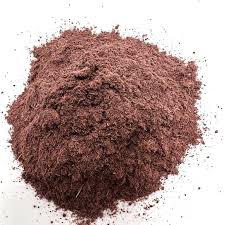
Brazilian – Mimosa hostilis Inner Root Bark (MHRB) – Powder
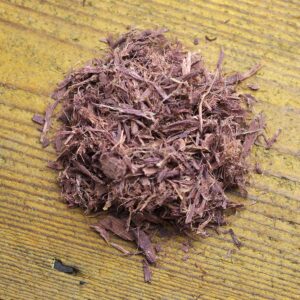
Buy mhrb europe
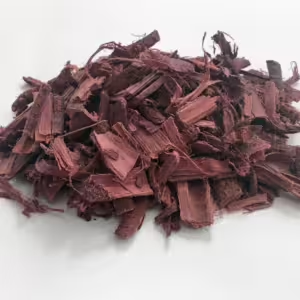
Brazilian – Mimosa hostilis Inner Root Bark (MHRB) – Powder
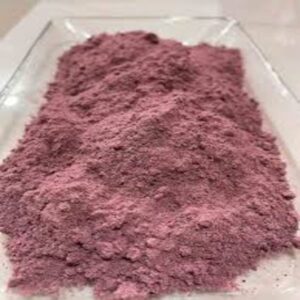
Brazilian – Mimosa hostilis Inner Root Bark (MHRB) – Powder
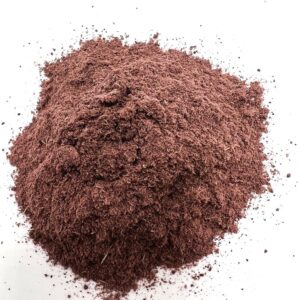
Brazilian – Mimosa hostilis Inner Root Bark (MHRB) – Powder
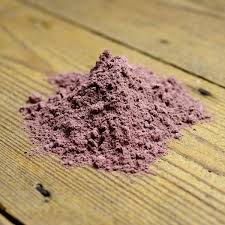
Buy mhrb europe
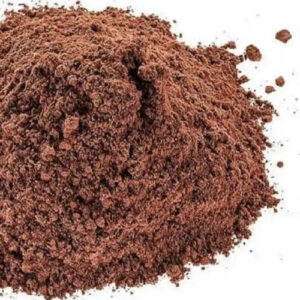
Brazilian – Mimosa hostilis Inner Root Bark (MHRB) – Powder
Why Choose Whole MHRB Over Shredded or Powder?
While pre-ground powder offers rapid dye extraction and shredded bark simplifies handling, whole root bark delivers distinct structural and chemical advantages:
-
Maximum Shelf-Life & Stability: Whole bark has minimal exposed surface area, which dramatically slows oxidation from ambient air and humidity. This preserves its active condensed tannins, catechins, and natural red-purple pigments longer than any milled form.
-
100% Verified Inner Cambium: Intact bark segments allow you to visually verify the dark red-to-violet fibrous inner layer. The inert, grey outer cork and inner woody core are stripped away prior to packaging, ensuring zero dilution.
-
Crystal-Clear Liquid Extractions: Boiling whole bark yields rich, saturated dye liquors without fine sediment, sludge, or suspended silt. Once the extraction is complete, simply lift the bark slabs out of the pot by hand.
-
Custom Processing Flexibility: Whole pieces can be stored indefinitely, then broken into chunks, chipped into ribbons, or freshly ground into powder in small batches right when you need them.
Comparison: Whole Bark vs. Shredded vs. Powder
| Property | MHRB Whole Bark | MHRB Shredded | MHRB Powder |
| Physical Cut | Intact, curved slabs (5–15 cm) | Coarse fibrous ribbons (2–5 cm) | Micro-milled powder (<100 mesh) |
| Oxidation Rate | Lowest (maximum longevity) | Moderate | Fastest (requires airtight storage) |
| Filtration Ease | Effortless (remove pieces by hand) | Easy (standard kitchen colander) | Demanding (muslin cloth or paper filter) |
| Extraction Speed | Slow (requires long soak + simmer) | Moderate (1–2 hours simmer) | Fast (instant release in hot water) |
| Dye Bath Clarity | Clear, sediment-free liquor | Mostly clear liquor | Can leave fine silt on fibres |
Available Sizes & Packaging
We provide airtight, moisture-proof packaging suited for small artisan trials up to commercial studio batches:
-
Hobby & Sample Bags: 100 g | 250 g
-
Studio & Workshop Sizes: 500 g | 1 kg
-
Artisan Bulk & Wholesale: 2 kg | 5 kg | 10 kg+
Every batch of whole inner root bark is sealed in a heavy-duty, light-blocking aluminium doypack pouch with an airtight zip-lock seal to shield the botanical material from light, ambient humidity, and temperature fluctuations.
Primary Craft & Technical Applications
-
Slow-Decoction Textile Dyeing: Simmer whole bark pieces over low heat to produce rich, saturated dye vats. Imparts lightfast shades of terracotta, brick-red, rich burgundy, and deep plum on protein fibres (silk, wool) and mordanted cellulose fibres (flax, cotton, hemp).
-
Vegetable Leather Tanning: Dense natural condensed tannins bind directly with raw hide collagen, tightening grain structure and giving leather a classic reddish-tan patina.
-
Botanical Wood Stains: Boiled into a concentrated liquor, whole bark yields durable, rich stains for custom furniture building and musical instrument finishing.
-
Ethnobotanical & Taxonomic Reference: Uncut root specimens are ideal for university herbaria, botanical teaching archives, and macroscopic morphology inspection.
Preparation & Extraction Tips for Whole Bark
-
The 24-Hour Cold Soak: Because whole bark is dense and woody, submerge your pieces in room-temperature water for 24 hours prior to heating. This swells the fibrous cells and softens the bark for maximum dye release.
-
Gentle Simmering: Heat the soak water slowly, keeping the temperature below 85°C. Simmer for 1.5 to 2 hours. Boiling too vigorously can scorch or flatten the delicate reddish flavonoids into dull browns.
-
Exhausting the Batch: Whole root bark is thick and resilient. You can run 2 to 3 successive simmer cycles on the same pieces of bark before all usable tannins and pigments are fully exhausted.
Sourcing & Environmental Responsibility
Our Mimosa hostilis root bark is gathered through cooperative partnerships with local harvesters in Brazil and Mexico. Harvesting protocols mandate selective root pruning—taking only a portion of the lateral root system while leaving the central taproot and tree canopy undisturbed—allowing wild groves to naturally regenerate.
Compliance & Legal Notice
-
Botanical Raw Material Only: This product is sold exclusively as an unprocessed technical raw material for textile dyeing, leather craft, artisan cosmetics, and scientific botanical reference.
-
Not for Human Consumption: This botanical raw material is not an approved foodstuff, dietary supplement, medicine, or smokeable product. Do not ingest, inhale, or consume orally.
-
Regulatory Responsibility: Mimosa tenuiflora naturally contains indole alkaloids. The purchase and possession of raw, untreated whole root bark for legitimate technical and craft use is lawful in most jurisdictions. However, extracting, chemical isolating, or converting controlled substances (such as DMT) is strictly illegal under national and international narcotics laws. Buyers are solely responsible for adhering to their country's legal requirements.
Frequently Asked Questions (FAQ)
Can I crush or grind whole MHRB at home?
Yes. You can break whole pieces into smaller strips using garden shears or a mallet. To create fine powder, use a heavy-duty botanical mill or high-wattage spice grinder; standard household blenders are typically not strong enough to grind dense root cambium.
How should I store whole MHRB for maximum shelf life?
Keep the whole bark in its original, sealed aluminium pouch in a dry, cool cabinet away from direct sunlight and radiators. Stored dry, intact whole root bark maintains full pigment and tannin potency for 3 to 5 years.
Does whole bark require a mordant for textile dyeing?
Because Mimosa hostilis has a high concentration of natural condensed tannins, it acts as a substantive dye and adheres strongly to animal protein fibres (wool, silk) without a mordant. For plant-based cellulose fibres (cotton, linen), treating fabrics with an alum mordant or tannin pre-bath improves washfastness and colour vibrancy.
Conclusion
When your studio needs maximum shelf life, verifiable botanical purity, and effortless clean-up, our Mimosa hostilis Inner Root Bark (MHRB) – Whole is the ultimate choice. Ethically harvested and left completely unground, this premium botanical raw material delivers deep, reliable colorant yield across all your textile, leather, and craft projects. Select your package size today for fast, tracked delivery.