Mexican – Mimosa hostilis Inner Root Bark (MHRB) – Whole
Looking for unprocessed, premium botanical raw materials? Our Mexican – Mimosa hostilis Inner Root Bark (MHRB) – Whole brings you authentic, intact strips of inner root bark from sustainably managed Mimosa tenuiflora groves across southern Mexico (Chiapas and Oaxaca).
Prized in traditional Mexican ethnobotany as Tepezcohuite, these whole bark segments represent the most unadulterated form of MHRB available. Perfect for archival botanical collections, custom milling, long-simmer dye baths, and traditional leather tanning.
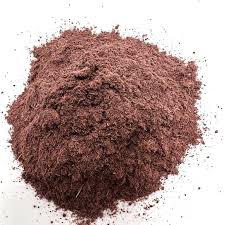
Brazilian – Mimosa hostilis Inner Root Bark (MHRB) – Powder
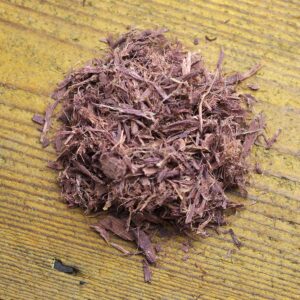
Buy mhrb europe
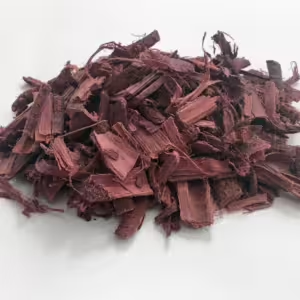
Brazilian – Mimosa hostilis Inner Root Bark (MHRB) – Powder
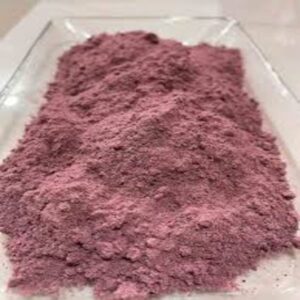
Brazilian – Mimosa hostilis Inner Root Bark (MHRB) – Powder
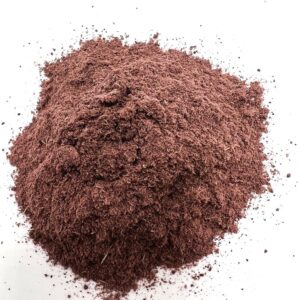
Brazilian – Mimosa hostilis Inner Root Bark (MHRB) – Powder
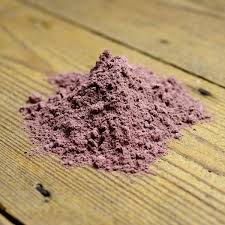
Buy mhrb europe
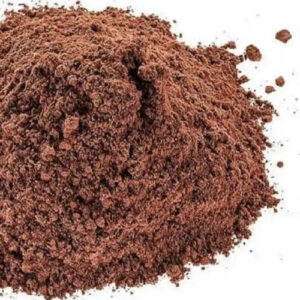
Brazilian – Mimosa hostilis Inner Root Bark (MHRB) – Powder
Why Choose Whole Mexican Root Bark?
Whole bark pieces retain their original cellular structure, offering unique advantages over processed cuts:
-
Minimal Surface Oxidation: With less surface area exposed to oxygen and light, whole root bark preserves its natural tannins, catechins, and pigments longer than shredded or powdered bark.
-
100% Inner Cambium Layer: Hand-stripped from the root to leave behind the inactive, grey outer cork and wood core. You receive only the fibrous, purple-red inner bark where botanical compounds are concentrated.
-
Authenticity You Can Inspect: Whole bark strips let you visually verify botanical morphology, natural coloration, and root grain without questioning filler content.
-
Warm Chromatic Palette: Native Mexican limestone soils produce deep ruby-reds, terracotta, and warm brick-burgundy tones known for their high lightfastness.
Comparison: Whole Bark vs. Shredded vs. Powder
| Property | Whole Mexican MHRB | Shredded Mexican MHRB | Powdered Mexican MHRB |
| Physical Form | Intact, curved bark strips (5–15 cm) | Coarsely cut fibres (2–5 cm) | Micro-milled powder (<100 mesh) |
| Oxidation Rate | Lowest (maximum longevity) | Moderate | Fastest (requires airtight storage) |
| Extraction Method | Extended soaks & multiple boilings | Multi-step decoction baths | Rapid, instant hot-water release |
| Filtration Ease | Lift out whole strips by hand | Strain with standard kitchen colander | Requires cloth or fine coffee filters |
| Custom Processing | Can be chopped or milled on demand | Ready for immediate dye vats | Ready for direct incorporation/soaps |
Available Sizes & Packaging
We provide thick, light-blocking packaging for hobby projects up to commercial workshop volumes:
-
Sample & Hobby Packs: 100 g | 250 g
-
Studio & Workshop Sizes: 500 g | 1 kg
-
Artisan Bulk & Wholesale: 2 kg | 5 kg | 10 kg+
Every batch is packed in an airtight, puncture-resistant multi-ply aluminium doypack pouch with a heavy-duty zip seal to block moisture and preserve botanical freshness.
Common Artisan & Botanical Applications
-
Slow-Simmer Textile Dyeing: Simmer whole strips over low heat to produce rich, crystal-clear dye baths without fine sediment. Bonds readily to wool, silk, linen, and organic cotton.
-
Vegetable Leather Tanning: The dense condensed tannins firm the grain of raw animal hides and yield a natural reddish-brown patina.
-
Oil & Alcohol Macerations: Steep whole bark pieces in natural carrier oils (such as jojoba or almond oil) to create authentic Tepezcohuite infusions for traditional topical balms.
-
Taxonomic & Educational Specimens: Ideal for herbarium archives, botanical displays, and university teaching collections requiring verifiable macroscopic plant tissue.
Preparation & Extraction Tips
-
Pre-Soaking: For the highest pigment yield, submerge whole bark pieces in cold water for 24 to 48 hours before heating. This softens the woody fibres and initiates tannin release.
-
Multiple Extractions: Whole root bark is extremely dense. You can simmer the same pieces in fresh water 2 to 3 times before the botanical dyes are exhausted.
-
Custom Milling: If a specific project requires shredded fibre or coarse mulch, crack the dry bark strips by hand or process them in a heavy-duty botanical shredder.
Sourcing & Environmental Responsibility
Our Mexican Mimosa tenuiflora is gathered using selective wildcrafting protocols in partnership with local harvesters. Only lateral roots are harvested from mature trees, leaving the central taproot intact so the tree continues growing and preventing soil erosion in arid landscapes.
Compliance & Legal Disclaimer
-
Botanical Raw Material Only: This product is sold solely as an unprocessed technical raw material for textile dyeing, leather craft, artisan cosmetics, and scientific botanical reference.
-
Not for Human Consumption: This botanical product is not an approved foodstuff, dietary supplement, medicine, or smoking blend. Do not ingest, inhale, or consume orally.
-
Regulatory Compliance: Mimosa tenuiflora naturally contains indole alkaloids. The purchase and possession of raw, untreated root bark for legitimate technical and craft use is lawful in most jurisdictions. However, extracting, chemically isolating, or converting controlled substances (such as DMT) is strictly illegal under national and international narcotics laws. Buyers are solely responsible for adhering to their local regulations.
Frequently Asked Questions (FAQ)
Can I grind whole Mexican root bark into powder at home?
Yes, but the root bark is naturally tough and fibrous. Standard kitchen blenders can be damaged; use a high-torque spice grinder, grain mill, or heavy cast-iron mortar.
How long does whole Mexican MHRB stay fresh?
Kept inside its sealed, moisture-proof pouch at room temperature away from direct sunlight, whole root bark remains stable and maintains its dye potency for 3 to 5 years.
Does whole bark require more heat to release dye than powder?
Whole bark does not require higher temperatures (keep water below 80°C to preserve pigments), but it does require more time. A 24-hour pre-soak followed by gentle simmering ensures thorough extraction comparable to fine powder.
How does Mexican whole bark differ from Brazilian whole bark?
Mexican Tepezcohuite bark typically produces warmer ruby, terracotta, and rust tones. Brazilian Jurema Preta root bark generally produces cooler, darker violet, plum, and dark brown hues.
Conclusion
When long shelf life, effortless filtration, and complete material authenticity are critical, our Mexican – Mimosa hostilis Inner Root Bark (MHRB) – Whole stands apart. Harvested responsibly and delivered in its most natural state, this whole bark provides natural dyers and artisans with unadulterated botanical power. Select your package size today for prompt, tracked delivery to your workshop.