

Mimosa Tenuiflora Hostilis – Premium Botanical Raw Material & Extracts
Looking for authentic, unadulterated botanical specimens? Our Mimosa tenuiflora hostilis collection brings you 100% pure plant material sourced directly from sustainably managed native groves in northeastern Brazil and southern Mexico.
Known across botanical literature interchangeably as Mimosa tenuiflora (current accepted botanical name) and Mimosa hostilis (basionym), this legendary legume tree is revered under traditional names like Jurema Preta and Tepezcohuite. We supply premium inner root bark, botanical foliage samples, and whole specimens to textile artists, natural cosmetic formulators, leather crafters, and ethnobotanical researchers.

Brazilian – Mimosa hostilis Inner Root Bark (MHRB) – Powder

Buy mhrb europe

Brazilian – Mimosa hostilis Inner Root Bark (MHRB) – Powder

Brazilian – Mimosa hostilis Inner Root Bark (MHRB) – Powder

Brazilian – Mimosa hostilis Inner Root Bark (MHRB) – Powder

Buy mhrb europe
Buy mhrb europe

Brazilian – Mimosa hostilis Inner Root Bark (MHRB) – Powder
Botanical Overview: Mimosa tenuiflora vs. Mimosa hostilis
In taxonomic botany, both names refer to the exact same species:
-
Botanical Name: Mimosa tenuiflora (Willd.) Poir.
-
Homotypic Synonym: Mimosa hostilis (Mart.) Benth.
-
Family: Fabaceae (Legume family) / Subfamily: Caesalpinioideae (Mimosoid clade)
-
Common Regional Names: Jurema Preta, Jurema, Black Jurema (Brazil); Tepezcohuite, Árbol del Piel (Mexico); Calumbi.
-
Native Habitat: Semi-arid scrub forests (Caatinga of Brazil) and dry deciduous woodlands across Oaxaca, Chiapas, and Central America.
Because the plant thrives in harsh, rocky terrains with seasonal droughts, it concentrates exceptionally high levels of protective natural tannins, flavonoids, and saponins—particularly in the vascular cambium of its root system.
Key Phytochemical Properties & Traditional Roles
| Active Compound Class | Primary Function | Practical Application |
| Condensed Tannins (16–20%) | Astringency, cellular toning, microbial barrier | Traditional leather tanning, substantive natural textile dyeing |
| Triterpenoid Saponins (Mimonoside A–C) | Cellular rejuvenation, gentle surface cleansing | Formulations for handmade Tepezcohuite soaps and restorative salves |
| Flavonoids & Chalcones (Kukulkanins) | Antioxidant activity, UV defence | Natural cosmetic formulations and lightfast botanical pigments |
| Indole Alkaloids | Native botanical secondary metabolites | Taxonomic research, chemical ecology, and ethnobotanical archives |
Available Cuts & Product Formats
Explore our catalog of authentic Mimosa tenuiflora hostilis raw materials:
-
Micro-Milled Powder (<100 Mesh): Pulverised inner root bark designed for rapid pigment dispersion in hot water baths and seamless blending into cold-process soap recipes.
-
Shredded Fibres (2–5 cm Ribbons): Coarsely cut inner bark ribbons ideal for traditional multi-step decoctions and clean, easy straining through standard sieves.
-
Whole Inner Bark Slabs (5–15 cm): Intact, unground bark pieces offering maximum shelf life, zero oxidation, and crystal-clear extraction liquors.
-
Regional Phenotypes: Choose between Mexican Tepezcohuite (warmer terracotta and ruby-red tones) and Brazilian Jurema Preta (cooler plum, deep violet, and dark chocolate-brown hues).
Primary Artisan & Craft Applications
-
Natural Textile Dyeing: Acts as a substantive botanical dye on protein fibres (silk, wool, alpaca) without requiring heavy metallic mordants, producing rich earthy reds, rusts, and deep purples.
-
Vegetable Leather Tanning: The dense tannin profile cross-links hide collagen fibres, yielding firm, durable leather with an authentic reddish-tan patina.
-
Artisan Tepezcohuite Cosmetics: Ground root bark is traditionally infused into plant oils (jojoba, sweet almond) or incorporated into facial clays and balms for its natural astringent properties.
-
Botanical Paint & Ink Making: Finely ground pigment extracts blend with natural binders (like gum arabic) to create permanent, lightfast calligraphy inks and watercolours.
Sourcing, Ethics & Sustainability
Because wild populations of Mimosa tenuiflora can face pressure from destructive harvesting, our sourcing protocols strictly forbid whole-tree clearing:
-
Selective Lateral Harvesting: Harvesters prune only lateral roots, leaving the primary taproot and above-ground trunk undisturbed to allow full vegetative recovery.
-
Regenerative Partnerships: We work directly with family-owned plots and local co-ops in Mexico and Brazil committed to replanting and erosion control.
-
No Wood Fillers: We strip away the outer grey cork and woody trunk material, ensuring your product contains exclusively the dark purple-red inner cambium layer.
Compliance & Legal Notice
-
Botanical Raw Material Only: All Mimosa tenuiflora hostilis products are sold strictly as untreated technical raw materials for textile dyeing, leather tanning, cosmetic craft, and botanical study.
-
Not for Human Consumption: This botanical raw material is not an approved food, medicine, dietary supplement, or smokeable blend. Do not ingest, swallow, or consume orally.
-
Regulatory Compliance: Mimosa tenuiflora naturally contains indole alkaloids. The purchase, possession, and craft application of raw, untreated bark is lawful in most jurisdictions. However, any chemical extraction, isolation, or synthesis of controlled substances (such as DMT) is strictly prohibited by national and international narcotics laws. Buyers are solely responsible for ensuring adherence to local regulations.
Frequently Asked Questions (FAQ)
Is Mimosa tenuiflora the exact same plant as Mimosa hostilis?
Yes. Mimosa hostilis is the historical botanical synonym for Mimosa tenuiflora. Both names refer to the same tropical legume tree native to South America and Mexico.
What is the difference between Mimosa tenuiflora and Mimosa pudica?
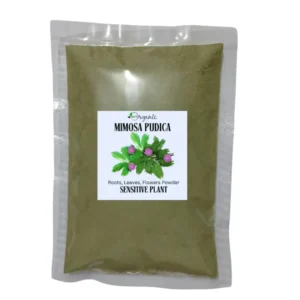
They are completely different species. Mimosa pudica is the small, touch-sensitive creeping herb ("Touch-Me-Not") used in gastrointestinal supplements and seed mucilage products. Mimosa tenuiflora hostilis is a woody tree whose inner root bark is used for natural dyes, leather tanning, and skincare.
How should I store Mimosa tenuiflora hostilis raw bark?
Keep the product in its original, sealed aluminium pouch in a cool, dry place away from moisture and direct sunlight. Under proper storage, whole bark remains potent for 3 to 5 years, while powder and shredded cuts remain fresh for 24 to 36 months.
Conclusion
Whether you require authentic Tepezcohuite for artisan cosmetic making or tannin-rich Jurema Preta for vibrant textile dyeing, our Mimosa tenuiflora hostilis collection guarantees verifiable botanical purity, ethical harvesting, and exceptional colour yield. Select your preferred cut and origin today to start your next creative project.