

Uncategorized
How Long Does MHRB Last? The Ultimate Storage Guide for Whole, Shredded, and Powdered Bark
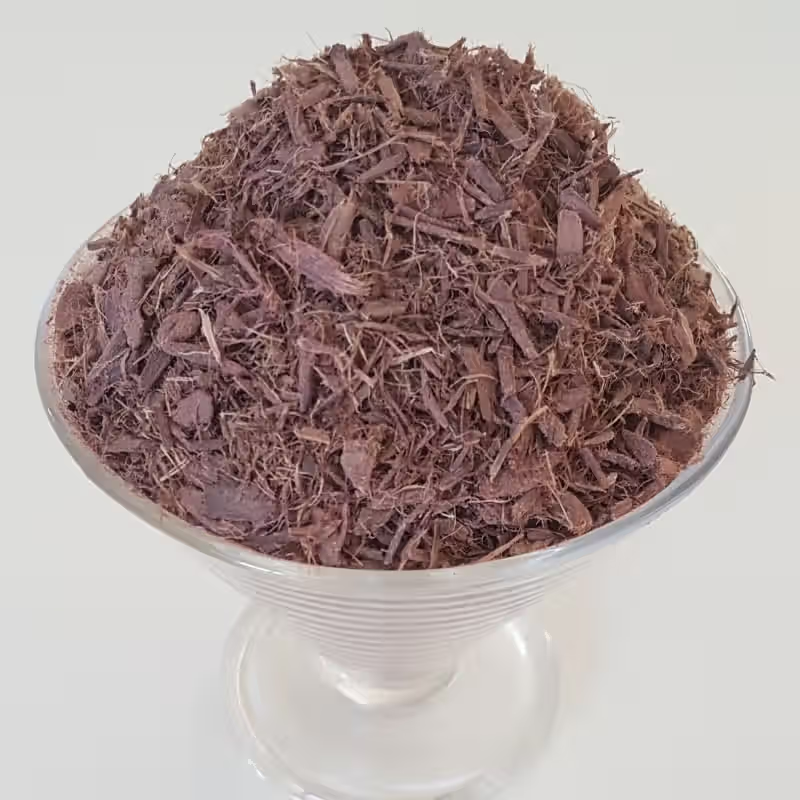
Properly stored Mimosa hostilis inner root bark (MHRB) can retain its active condensed tannins, flavonoids, and natural dye potency for 2 to 5 years. However, improper storage—specifically exposure to humidity, ambient oxygen, and UV light—can lead to mold contamination, clumping, and pigment degradation in just a few months.
Whether you have purchased a 100g sample or stocked a 1kg–5kg bulk studio batch, maintaining botanical stability requires managing environmental factors based on your specific cut.
1. Shelf Life Comparison: Powder vs. Shredded vs. Whole
Shelf life is directly governed by surface area. The more atmospheric oxygen and ambient moisture that can contact the botanical cells, the faster the natural tannins oxidize and break down.
| Botanical Cut | Estimated Shelf Life | Oxidation Risk | Moisture Sensitivity | Primary Storage Recommendation |
| Whole Inner Bark | 3 to 5+ Years | Lowest (intact cellular structure) | Low | Airtight container with desiccant in a dark cupboard. |
| Shredded Ribbons | 2 to 3 Years | Moderate (medium surface area) | Moderate | Resealable multi-ply foil doypack or amber glass jar. |
| Micro-Milled Powder | 18 to 24 Months | Highest (hygroscopic & large surface) | High | Vacuum-sealed foil pouch; keep away from open air. |
2. The Four Enemies of Botanical Root Bark
To keep your MHRB fresh, protect the material from four environmental degradation vectors:
- Moisture & Relative Humidity (RH): The biggest threat to dried bark. MHRB powder is naturally hygroscopic (it attracts water vapor from ambient air). If internal moisture levels exceed 12%–14%, dormant fungal spores can activate, ruining an entire batch with white or grey mold.
- Ultraviolet (UV) Radiation: Direct sunlight and strong fluorescent lighting trigger photodegradation. UV rays break the double bonds of plant flavonoids, fading the rich purple-red pigments into dull, washed-out browns.
- Oxygen (Oxidation): Continuous exposure to fresh air slowly oxidizes condensed tannins into insoluble phlobaphenes, which reduces dye solubility in water baths and weakens astringency for cosmetic infusions.
- Heat Fluctuations: Storing bark near radiators, boiler rooms, or sunny windows accelerates chemical breakdown and encourages moisture condensation inside sealed packaging. Keep storage temperatures stable between 15°C and 22°C (59°F–72°F).
3. Best Storage Containers & Packaging Methods
Selecting the correct storage vessel prevents premature oxidation and keeps botanical pigments intact.
1. Multi-Ply Aluminium Foil Doypacks (Best All-Rounder)
Thick, food-grade aluminium standing pouches (with an airtight zip closure) provide an absolute barrier against both UV light and ambient oxygen. When accessing your bark, press out excess air before resealing the zip-lock.
2. Vacuum Sealing (Best for Long-Term & Bulk Storage)
If you purchase 1kg, 2kg, or 5kg batches that you do not plan to use within 6 months, divide the material into smaller 250g or 500g portions and vacuum-seal them in heavy-gauge barrier bags. This eliminates internal air and isolates portions so you only open what you need.
3. Amber Glass Mason Jars
If you prefer rigid containers for your studio shelves, use dark amber or cobalt-blue glass jars with rubber airtight gaskets. Clear glass jars are only acceptable if kept inside a fully dark, closed closet or cabinet.
4. Working With Desiccants & Oxygen Absorbers
For long-term storage, active packaging inserts provide extra protection against environmental moisture:
- Silica Gel Packs (Desiccants): Absorb residual moisture inside the container. Add one 5g–10g food-safe silica gel packet per 500g of bark. Ensure the packet remains intact so silica beads do not mix into fine powders.
- Oxygen Absorbers (Iron-based): Chemically scavenge trapped oxygen within sealed bags, reducing internal $O_2$ levels below 0.01%. This stops oxidation of red-purple flavonoids. Note: Oxygen absorbers only work in completely airtight, heat-sealed bags, not standard zip-locks.
5. Should You Freeze or Refrigerate MHRB?
A common question among botanical collectors is whether cold storage extends shelf life:
- Refrigeration (Not Recommended): Refrigerators have high relative humidity. Opening a cold jar or bag in a warm room causes instant condensation on the cold plant material, introducing liquid moisture that ruins dry powder.
- Freezing (Only for Vacuum-Sealed Batches): Freezing works for multi-year preservation only if the bark is hermetically vacuum-sealed.
- The Golden Defrost Rule: If you pull vacuum-sealed MHRB from the freezer, do not open the bag immediately. Allow the sealed package to sit at room temperature for at least 4 to 6 hours until it reaches ambient temperature. This prevents airborne humidity from condensing onto the cold bark.

6. How to Identify Spoiled or Degraded Bark
Before starting a dye bath or cosmetic formulation, inspect your stored material for signs of degradation:
- The Smell Test: Fresh, high-grade Mimosa hostilis has a rich, earthy, tea-like, and slightly sweet botanical scent. If it smells musty, sour, or like damp basement mildew, moisture has compromised the batch.
- The Visual Test: Check for discoloration. Powder should display a uniform pinkish-purple to reddish-brown hue. Dull grey-brown shading indicates heavy UV oxidation. Any visible web-like filaments, clumps that do not crumble, or white specks indicate mold growth—in which case the material must be discarded.
- The Texture Test: Shredded bark should feel crisp and snap cleanly under tension. If it feels spongy, flexible, or damp, it has absorbed ambient water vapor.
Frequently Asked Questions (FAQ)
Can I still use MHRB if it has turned brown from age?
Yes, provided there is no mold or sour odor. Oxidized bark can still be used for natural dyeing and tanning, but it will yield more muted, earthy brown tones rather than bright ruby-reds and deep purples.
How should I store leftover liquid dye after extraction?
Liquid MHRB dye baths contain organic sugars and starches that ferment quickly. Store strained liquid dye in a sealed glass bottle in the refrigerator for up to 5 days, or freeze the liquid in plastic jugs for up to 6 months. Adding a splash of vinegar helps inhibit bacterial growth.
Why did my MHRB powder turn into a solid brick inside the bag?
The powder caked because moisture entered the container. This happens if the pouch was left unzipped, stored in a humid kitchen/bathroom, or scooped with a damp spoon. If there is no mold, you can break the hardened chunk apart with a mortar and pestle.
Summary
Maximizing the shelf life of Mimosa hostilis root bark requires keeping it dry, dark, airtight, and cool. By storing intact whole bark or keeping powdered and shredded variants inside light-blocking, vacuum-sealed aluminium pouches with a silica desiccant, your botanical raw material will retain its dye richness and tannin strength for years.
