

Uncategorized
What Is Mimosa Hostilis Used For? The Complete Botanical & Practical Guide
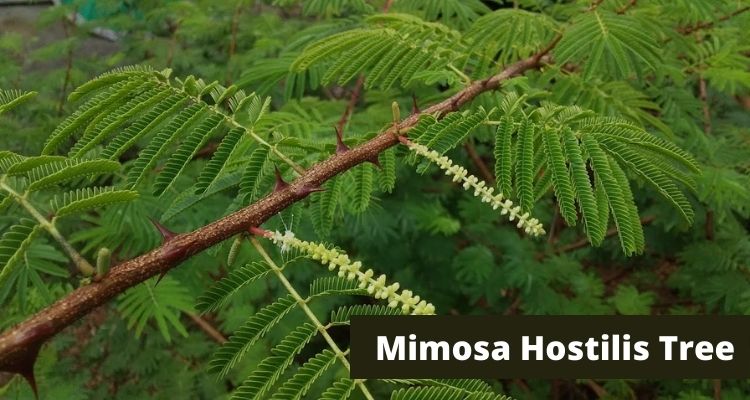
Mimosa hostilis (botanically classified as Mimosa tenuiflora) is a perennial tree native to northeastern Brazil and southern Mexico that is widely used for natural textile dyeing, traditional skincare (Tepezcohuite), vegetable leather tanning, and ethnobotanical research. Known regionally as Jurema Preta in South America and Tepezcohuite in Mesoamerica, its most sought-after part is the inner root bark (MHRB), which holds dense concentrations of natural tannins, flavonoids, and protective alkaloids.
1. Botanical Profile: What Is Mimosa Hostilis?
Belonging to the legume family (Fabaceae), Mimosa hostilis is a thorny, drought-resistant tree that grows up to 8 metres tall. It thrives in arid scrub forests such as the Brazilian Caatinga and the rocky soils of Oaxaca and Chiapas in Mexico.
- Foliage & Flowers: Fern-like, bipinnate leaves paired with cylindrical spikes of fragrant white-to-yellow flowers.
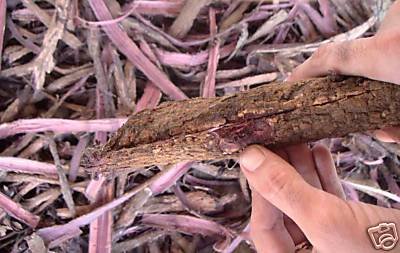
- The Root System: The tree develops a deep lateral root system. The valuable layer is the inner cambium directly beneath the bark, which carries a deep reddish-purple pigment.
- Biochemical Makeup: Contains 16% to 20% condensed tannins, triterpenoid saponins (mimonosides), antioxidant chalcones (kukulkanins), and naturally occurring indole alkaloids.
2. Core Traditional & Modern Applications
| Application | Part Used | Primary Mechanism | Common Output |
| Natural Textile Dyeing | Inner Root Bark (MHRB) | Water-soluble condensed tannins act as a substantive dye | Warm terracotta, burgundy, plum, and deep slate-violet |
| Skincare & Cosmetics (Tepezcohuite) | Trunk & Root Bark | Tannins and triterpenoid saponins provide astringency | Handcrafted soaps, facial pomades, barrier creams |
| Vegetable Leather Tanning | Root & Trunk Bark | Tannins bind to animal hide proteins | Supple, water-resistant leather with a reddish-tan patina |
| Traditional Ethnobotany | Inner Root Bark | Naturally synthesized indole alkaloids (including DMT) | Traditional Vinho da Jurema ceremonies in Brazil |
| Agroforestry & Soil Health | Whole Living Tree | Nitrogen fixation via symbiotic root nodules | Reforestation, drought barrier, forage for livestock |
3. Natural Textile & Leather Dyeing
Textile artists, indie fiber dyers, and leathercrafters rely on Mimosa hostilis as one of the most reliable and lightfast natural dyes available:
- Substantive on Protein Fibres: Due to its rich tannin volume, MHRB bonds directly to animal fibers like sheep’s wool, alpaca, and raw silk without requiring harsh chemical mordants.
- Versatile Colour Palette:
- Neutral/Acidic baths: Produce rich terracotta, brick-red, and dusty rose.
- Alkaline baths (pH 8–9): Shift the pigment toward purple, deep mulberry, and wine.
- Iron modifiers (ferrous sulphate): Transform the brew into charcoal, slate-violet, and dark espresso.
- Clean Processing Cuts: Available as finely milled powder for quick hot-vat release or shredded ribbons for clean-draining, sediment-free dye baths.
4. Tepezcohuite in Skincare and Natural Cosmetics
In Mexico, Mimosa tenuiflora bark is widely celebrated as Tepezcohuite, historically nicknamed the “skin tree” by Mayan healers. Following the 1984 San Juanico disaster and the 1985 Mexico City earthquake, Red Cross clinics utilized powdered bark topically when commercial pharmaceutical supplies ran short, sparking modern dermatological interest.
- Cellular Astringency: Natural tannins gently tighten epidermal tissue and help reduce surface oiliness without synthetic alcohols.
- Flavonoid Defense: Rich in bioflavonoids that protect fragile skin from free-radical oxidative stress.
- Artisan Formulation: Craft soapmakers blend micronised root bark powder directly into cold-process soap batters at trace for a natural dark-red marble swirl, while herbalists steep shredded bark in jojoba or sweet almond oil to create topical balms.
5. Ethnobotanical History & Traditional Ceremonies
In northeastern Brazil, Mimosa hostilis has anchored indigenous spiritual systems for centuries under the name Jurema Preta.
- O Culto da Jurema: Afro-indigenous traditions formulate a sacred botanical decoction known as Vinho da Jurema (Jurema Wine).
- Phytochemistry: The inner root bark naturally synthesizes high amounts of $N,N$-dimethyltryptamine ($N,N$-DMT). In traditional rituals, specific brewing methods and complementary plants were combined to facilitate ceremonial spiritual practices.
6. Sourcing Forms: Powder vs. Shredded vs. Whole
When acquiring raw botanical material, choosing the right physical cut depends entirely on the intended application:
- MHRB Powder (<100 Mesh): Pulverized inner root bark. Offers the fastest pigment extraction in water baths and incorporates seamlessly into cosmetic soap bases.
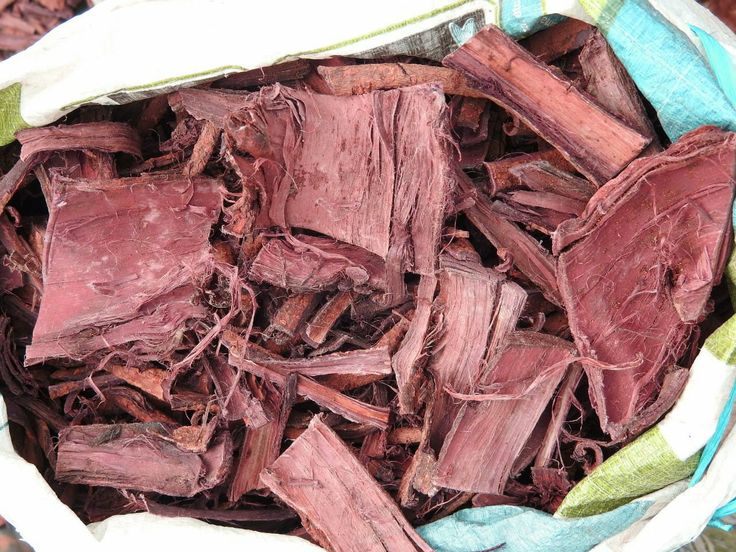
- Shredded MHRB (2–5 cm Fibres): Coarse, fibrous strips. Ideal for textile dye vats because it extracts thoroughly across 2–3 successive boils and strains easily through a standard kitchen colander.
- Whole MHRB Slabs: Intact root bark strips. Provides the longest storage shelf life (3–5 years) with near-zero surface oxidation, preferred by museums, botanical archives, and large dye studios.
7. Legal Status & Regulatory Boundaries
Because Mimosa hostilis root bark naturally contains $N,N$-DMT (a controlled substance under Schedule I of the UN 1971 Convention on Psychotropic Substances), navigating its legal status requires clear distinctions between the raw plant and chemical processing:
- Raw Plant Material: In most European nations, the United States, and across Latin America, purchasing and owning untreated botanical root bark for legitimate technical uses (textile dyeing, leathercraft, cosmetic crafting, or herbarium reference) is lawful.
- Extraction & Consumption: Extracting, concentrating, chemically altering, or consuming the plant material to harness controlled alkaloids is strictly illegal and subject to criminal narcotics statutes (such as the BtMG in Germany or the Controlled Substances Act in the US).
- Cross-Border Customs: International shipments of fine powder in large quantities may attract inspection by customs officials verifying legitimate intended craft use.
Frequently Asked Questions
Is Mimosa hostilis the same plant as Mimosa pudica?
No. Mimosa pudica is the small, touch-sensitive herb (“Touch-Me-Not”) used in gastrointestinal cleanse supplements. Mimosa hostilis (Mimosa tenuiflora) is a woody tree whose inner root bark is used for textile dyeing, leather tanning, and Tepezcohuite cosmetic bases.
Can you grow Mimosa hostilis at home?
Yes, provided you live in USDA hardiness zones 9–11 or keep it in a container that moves indoors during winter. It requires full sunlight, well-draining sandy loam soil, and temperatures consistently above 10°C (50°F).
Why is inner root bark preferred over trunk bark?
The inner cambium of the root system contains the highest density of active tannins and pigments. Trunk bark contains a much thicker layer of inactive outer cork, resulting in weaker dye vats and duller cosmetic infusions.
Summary
Mimosa hostilis is a multipurpose botanical resource prized for its vivid red-purple natural dyes, restorative Tepezcohuite skincare properties, and rich ethnobotanical legacy. When sourced responsibly from sustainable harvesters who practice rotational root pruning, it provides an eco-friendly alternative to synthetic pigments and industrial tanning chemicals.

Hi, this is a comment.
To get started with moderating, editing, and deleting comments, please visit the Comments screen in the dashboard.
Commenter avatars come from Gravatar.