

Uncategorized
How to Naturally Dye Wool and Cotton with Mimosa Hostilis: Recipes for Rich Burgundy & Purple
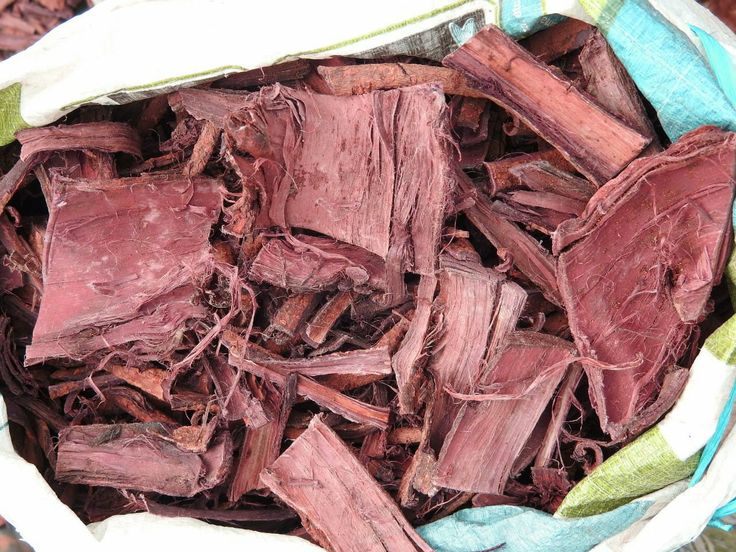
Mimosa hostilis inner root bark (MHRB) is one of the most reliable and pigment-dense botanical dyes in traditional fiber craft. Because the inner cambium contains between 16% and 20% condensed tannins, it acts as a substantive dye on protein fibers while producing washfast shades of terracotta, wine-red, mulberry, and slate-purple across plant and animal textiles.
1. Dye-to-Weight Ratios (WOG) & Color Swatches
In natural dyeing, the concentration of plant material is calculated against the Weight of Goods (WOG)—the dry weight of your untreated fiber.
| Desired Shade | Target Fibers | MHRB Ratio (% WOG) | Mordant / Modifier |
| Warm Terracotta / Peach | Wool, Silk, Cotton | 20%–30% WOG | Alum mordant; neutral pH (6.5–7.0) |
| Deep Brick-Red / Crimson | Wool, Silk | 50%–75% WOG | Alum mordant; acidic shift (citric acid or vinegar, pH 4.5–5.0) |
| Rich Burgundy / Plum | Wool, Silk, Linen | 100% WOG (1:1) | Alum mordant; alkaline shift (soda ash, pH 8.0–8.5) |
| Slate Charcoal / Espresso | Wool, Cotton | 50%–100% WOG | 1%–2% Iron post-bath (ferrous sulphate) |
2. Tools & Materials Checklist
- Botanical Material: High-grade inner root bark (MHRB Shredded is recommended for effortless straining; MHRB Powder works well when filtered through a fine cotton milk bag).
- Fibers: Pre-scoured natural yarn or fabric (wool, silk, linen, or organic cotton).
- Mordants: Potassium aluminum sulfate (alum) for protein fibers; aluminum acetate or tannin pre-bath for cellulose fibers.
- Modifiers: Soda ash (sodium carbonate) for purples; white vinegar or citric acid for brighter reds; ferrous sulfate (iron) for charcoal saddening.
- Studio Equipment: Stainless steel dye pot (non-reactive), digital scale, fine mesh sieve or muslin cheesecloth, candy/brew thermometer, pH test strips, and heat-resistant rubber gloves.
3. Fiber Preparation: Scouring & Mordanting
Natural colorants cannot bond to fibers coated in manufacturing oils, lanolin, or sizing. Proper preparation guarantees even, streak-free color.
Scouring
- Wool & Silk (Protein): Soak in warm water (40°C) with 1–2 drops of neutral pH soap (like synthrapol or mild dish soap). Gently squeeze without agitation to prevent felting.
- Cotton & Linen (Cellulose): Simmer at 85°C–90°C for 45 minutes with 1 teaspoon of soda ash and neutral detergent to strip natural pectins and machine oils. Rinse thoroughly.
Mordanting
- Protein Fibers (Wool/Silk): Weigh out 10%–15% WOG of alum (potassium aluminum sulfate). Dissolve the alum in hot water, stir it into your lukewarm mordant pot, submerge the wet fibers, and slowly raise the heat to 80°C. Hold for 45 minutes, remove from heat, and let it cool completely in the pot.
- Cellulose Fibers (Cotton/Linen): Because plant fibers lack protein receptor sites, mordant them using 8%–10% WOG of aluminum acetate, or pre-treat them with a light oak gall tannin bath before soaking in an alum solution.
4. Step-by-Step Dyeing Procedure
1.Extract the Botanical Tannins:Keep heat below 85°C to protect pigment clarity.
Place your measured shredded or powdered MHRB into your stainless steel pot and cover with ample water (at least a 20:1 water-to-goods volume). Bring the bath to a gentle simmer (75°C–80°C) for 60 to 90 minutes. Do not boil vigorously, as excessive heat can scorch the delicate red flavonoids into muddy brown tones.
2.Strain the Dye Bath:
Pour the hot liquid through a stainless steel colander lined with dense muslin cheesecloth into a clean bucket. If using shredded bark, keep the strained fibers for a second extraction bath. If using fine powder, ensure no fine sludge remains suspended in the dye bath to prevent spotted fabrics.
3.Introduce Wetted Fibers:
Return the strained dye liquor to your pot and let it cool to room temperature (30°C–40°C). Squeeze excess water from your pre-mordanted, wet fabric and gently submerge it into the bath. Ensure the fabric floats freely without crowding so the liquid penetrates every fold evenly.
4.Simmer and Saturate:
Gradually raise the bath temperature over 30 minutes to 75°C–80°C (maintain 65°C for raw silk). Gently move the fibers using a stainless steel tongs or wooden spoon every 10 minutes to avoid uneven absorption. Keep the temperature steady for 60 minutes, then turn off the heat and allow the fibers to steep in the cooling bath overnight for maximum color saturation.
5.Rinse and Air-Dry:
Remove the textiles from the pot and gently squeeze out the liquid. Rinse under running lukewarm water, gradually transitioning to cool water until the runoff is clear. Squeeze flat in a clean towel (do not wring wool) and lay flat or hang to dry in the shade out of direct sunlight.
5. Colour Shifting: pH & Mineral Modifiers
Mimosa hostilis pigments are sensitive to mineral cross-linking and pH shifts:
- Shifting to Mulberry / Deep Violet (Alkaline Shift): Dissolve 1/2 teaspoon of soda ash in warm water and stir it directly into your cooled dye bath before adding fibers (or dip dyed wet fabric into an alkaline after-bath for 5 minutes). Aim for a pH of 8.0 to 8.5.
- Shifting to Ruby / Terracotta (Acidic Shift): Add a splash of white vinegar or 1/4 teaspoon of citric acid to reduce the bath to pH 4.5 to 5.0. The acidic environment keeps the tannins bright red-orange.
- Saddening to Slate & Dark Charcoal (Iron Modifier): Dissolve 1%–2% WOG of ferrous sulfate into a separate bucket of warm water. Submerge your already dyed, rinsed fabric into the iron bath for 3 to 8 minutes. Watch the shade shift into dark slate-purple or deep graphite, then rinse immediately.
6. How to Run an Exhaustion Bath
Do not discard your spent dye liquor or strained bark. Mimosa hostilis contains a heavy volume of slow-release tannins that allow secondary and tertiary dye rounds:
- Second Extraction on Bark: Take your strained shredded bark, add fresh water, and simmer for another 60 minutes to extract a second batch of medium-tone dye liquor.
- Exhaustion Vat: Take the leftover liquid from your first primary dyeing session, re-warm it, and introduce fresh wet yarn or silk scarves. This second round yields soft, powdery peach, antique rose, and desert-sand shades.
Frequently Asked Questions
Can I dye synthetic fabrics like polyester with Mimosa hostilis?
No. Natural plant dyes do not bind to synthetic, non-polar fibers like polyester, acrylic, or nylon. Use 100% natural fibers: animal proteins (wool, alpaca, silk) or plant cellulose (cotton, linen, hemp, bamboo).
How lightfast and washfast is Mimosa hostilis dye?
Because MHRB is rich in condensed tannins (which act as internal binders), its lightfastness and washfastness are rated very good to excellent (4–5 out of 5), especially on alum-mordanted wool and silk. Always wash dyed garments in cool water using pH-neutral wool detergents.
Is it better to use shredded bark or powder for natural dyeing?
Shredded bark is favored by professional textile dyers because it strains out cleanly with a common colander, leaving no gritty residue on fibers. Powder works equally well and extracts faster, but requires filtering through a fine nut-milk bag to prevent particulate staining.
