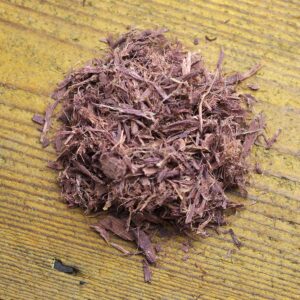
Mexican – Mimosa hostilis Inner Root Bark (MHRB) – Shredded
Looking for genuine Mexican origin and an easy-to-filter consistency? Our Mexican – Mimosa hostilis Inner Root Bark (MHRB) – shredded delivers 100% authentic, hand-stripped root bark harvested directly from wild-growing and sustainably managed Mimosa tenuiflora groves across southern Mexico (Chiapas and Oaxaca).
Coarsely cut into clean botanical fibres, this shredded variant gives textile artists, traditional leather tanners, and natural dye specialists maximum pigment release without the mess of filtering dense, fine powder.
Buy mhrb europe
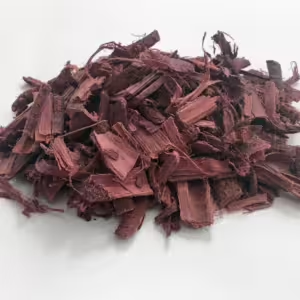
Brazilian – Mimosa hostilis Inner Root Bark (MHRB) – Powder
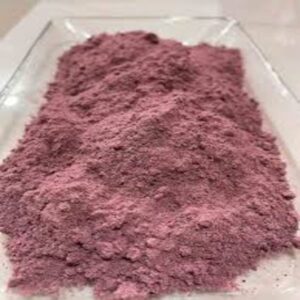
Brazilian – Mimosa hostilis Inner Root Bark (MHRB) – Powder
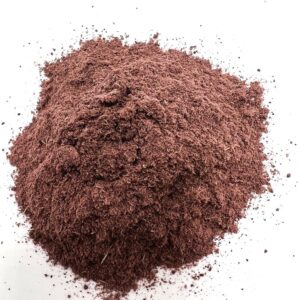
Brazilian – Mimosa hostilis Inner Root Bark (MHRB) – Powder
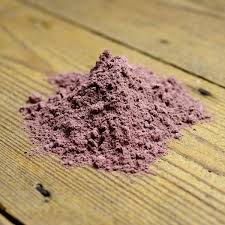
Buy mhrb europe
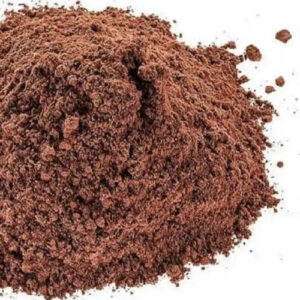
Brazilian – Mimosa hostilis Inner Root Bark (MHRB) – Powder
What Makes Mexican MHRB Unique?
While Brazilian Jurema Preta is renowned for deep, earthy undertones, Mexican Mimosa hostilis (historically honoured as Tepezcohuite or the "skin tree") develops under distinct subtropical limestone soils and seasonal rainfall patterns.
-
High Tannin Saturation: Mexican root bark contains an exceptionally dense concentration of condensed tannins, catechins, and polyphenolic flavonoids.
-
Distinct Colour Spectrum: Yields vibrant brick-reds, deep burgundies, and subtle purples that fix with superior washfastness to natural textiles.
-
100% Inner Root Bark Only: Our Mexican partners carefully debark the coarse, grey outer cork and collect only the fibrous, violet-red inner cambium layer where pigments concentrate.
Why Choose the Shredded Cut Over Powder?
Many craft dyers and artisans prefer shredded bark over micro-fine powder due to distinct mechanical advantages during preparation:
| Feature | Shredded Mexican MHRB | MHRB Fine Powder |
| Particle Size | Coarse plant fibres & cut ribbons (2–5 cm) | Micronised powder (<100 mesh) |
| Extraction Method | Ideal for multi-step decoctions & long soaks | Fast, rapid single-bath dispersion |
| Filtration Ease | Strains cleanly with a common mesh sieve | Requires paper coffee filters or tight cotton cloth |
| Clumping Risk | Zero clumping; water flows freely through fibres | Can form dense sludge if not constantly agitated |
| Shelf Life | Slower surface oxidation; retains potency longer | Higher surface exposure to humidity |
Available Bag Sizes
Whether you are running a single test swatch or batch-dyeing production garments, we provide vacuum-sealed packages to match your scale:
-
Hobby & Sample Bags: 100 g | 250 g
-
Studio & Workshop Sizes: 500 g | 1 kg
-
Production & Wholesale Quantities: 2 kg | 5 kg | 10 kg+
Every batch of shredded bark is packed in food-grade, multi-layer aluminium doypack pouches that seal out oxygen and light, guaranteeing freshness and pigment vitality.
Practical Applications for Shredded Mexican MHRB
-
Textile Dyeing (Wool, Silk, Linen, Cotton): Simmer the shredded fibres in water to release an intense, dark-red liquor. Perfect for immersion dyeing, shibori resist patterns, and cold-vat dipping.
-
Vegetable Leather Tanning: The heavy tannin profile of Mexican Tepezcohuite tightens raw hide fibres, producing durable, water-resistant leather with a signature reddish-tan hue.
-
Handmade Soaps & Topical Balms: Steep shredded bark in natural oils (such as jojoba or olive oil) to create authentic Tepezcohuite botanical infusions for traditional cosmetic craft.
-
Ethnobotanical Herbarium Reference: Whole shredded fibres allow botanical institutions and collectors to clearly identify anatomical root bark structures under inspection.
Responsible & Sustainable Sourcing
The harvesting of Mimosa tenuiflora in Mexico is carried out with respect for local ecosystems. Our sourcing partners work under rotation systems: roots are partially unearthed and selectively cut without destroying the main taproot or killing the tree, ensuring healthy regeneration for future seasons.
Storage & Handling Tips
-
Storage: Keep inside the original resealable pouch at room temperature (15–22°C), away from damp basements and direct sunlight.
-
Decoction Tip: For maximum dye yield, soak the shredded fibres in room-temperature water for 12 to 24 hours prior to simmering. This softens the woody fibres and allows the botanical pigment to bleed freely into the bath.
-
Reusability: Shredded fibres are dense enough to endure two to three successive water boils before all active tannins are fully exhausted.
Compliance & Legal Disclaimer
-
Botanical Raw Material Only: This product is sold exclusively as an untreated technical raw material for textile dyeing, leather tanning, cosmetic craft, and botanical study.
-
Not for Ingestion: This botanical material is not a foodstuff, dietary supplement, medicine, or smoking product. Do not ingest, swallow, or brew for human consumption.
-
Regulatory Compliance: Mimosa tenuiflora naturally contains indole alkaloids. The purchase and possession of raw, unprocessed shredded plant bark for legitimate industrial and craft purposes is lawful. However, using chemical processes to extract or isolate controlled compounds is strictly illegal under international and national narcotics laws. Ensure you comply with all local statutes.
Frequently Asked Questions (FAQ)
Can I grind shredded Mexican MHRB into powder at home?
Yes. If you eventually need fine powder for specific cosmetic recipes, you can process the dry shredded fibres in a heavy-duty botanical mill or high-wattage spice grinder. Standard kitchen blenders may struggle due to the toughness of the fibrous inner bark.
How much fabric can I dye with 1 kg of shredded Mexican MHRB?
At a standard 1:1 ratio (weight of goods to weight of dye material), 1 kg of shredded Mexican bark will dye 1 kg of dry fabric to a deep, dark purple-burgundy. By using lighter concentrations (25–50%), you can dye 2 to 4 kg of fabric in softer shades of terracotta, blush, and rose.
Does Mexican shredded bark require a mordant?
Because Mexican MHRB has naturally high levels of condensed tannins, it acts as a substantive dye on animal fibres (wool, silk) without heavy mordanting. For cellulose fibres like cotton and linen, a mordant (such as alum) or a tannin pre-treatment will ensure maximum lightfastness and deeper tones.
How does Mexican MHRB differ from Brazilian MHRB?
Mexican varieties typically yield warmer, slightly brighter terracotta and burgundy hues, whereas Brazilian root bark often produces darker, earthier brown-violet shades. Mechanically, Mexican shredded bark tends to have long, clean, stringy fibres that are exceptionally simple to strain.
Conclusion
When clean filtration and deep natural pigmentation are your priorities, our Mexican – Mimosa hostilis Inner Root Bark (MHRB) – shredded is the premier choice. Sourced with integrity from native Mexican groves, this fibrous cut provides outstanding dye efficiency without the hassle of clogged filters. Choose your pack size today to upgrade your natural craft and textile projects.