Brazilian Mimosa Hostilis Root Bark – Authentic Jurema Preta
Looking for authentic, unadulterated botanical raw materials? Our Brazilian Mimosa Hostilis root bark brings you 100% pure inner root bark (Mimosa tenuiflora), wild-harvested from the semi-arid Caatinga region of northeastern Brazil. Revered across generations under its traditional Portuguese name, Jurema Preta, this root bark provides natural dyers, leathercrafters, and botanical institutions with one of the most tannin-dense plant materials in the world.
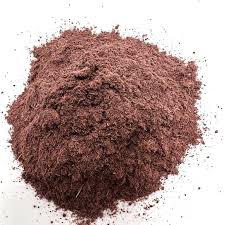
Brazilian – Mimosa hostilis Inner Root Bark (MHRB) – Powder
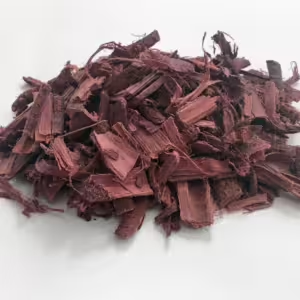
Brazilian – Mimosa hostilis Inner Root Bark (MHRB) – Powder
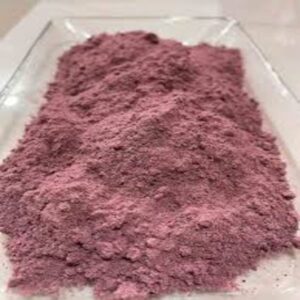
Brazilian – Mimosa hostilis Inner Root Bark (MHRB) – Powder
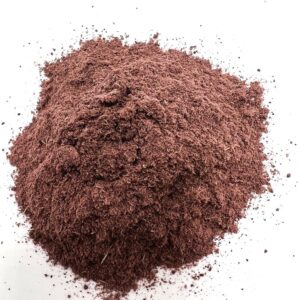
Brazilian – Mimosa hostilis Inner Root Bark (MHRB) – Powder
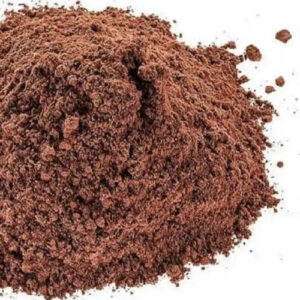
Brazilian – Mimosa hostilis Inner Root Bark (MHRB) – Powder
What Is Brazilian Mimosa Hostilis Root Bark?
Brazilian Mimosa hostilis root bark (often abbreviated as Brazilian MHRB) is the cambium layer harvested directly beneath the outer cork of the tree's root system. The extreme climate of northeastern Brazil—characterised by long dry spells and intense sun—forces the tree to concentrate high levels of defensive polyphenols, condensed tannins, and flavonoids inside its root tissues.
When separated cleanly from the woody core and stripped of inert grey bark, the inner root material displays a characteristic deep-red to violet-purple hue, delivering intense natural dye saturation across textiles, leather, and traditional crafts.
Why Choose Brazilian Origin (Jurema Preta)?
-
Cooler, Richer Chromatic Tones: Unlike Mexican root bark (Tepezcohuite), which leans toward warmer terracotta and fiery brick-red, Brazilian root bark is famous for yielding deep purples, plum, aubergine, and dark chocolate-browns.
-
Pure Cambium Layer: Hand-stripped to ensure you receive concentrated inner bark, free from dirt, outer bark, or woody core fillers.
-
High Fastness: Packed with natural condensed tannins that act as substantive mordants on protein fibres like wool and silk.
-
Sustainable Rotational Harvest: Sourced through partnerships with local Brazilian collectors who practice selective root pruning, allowing the parent trees to recover and thrive.
Available Cuts & Package Sizes
We supply Brazilian root bark in multiple formats to match your specific workshop workflow:
| Format | Physical Description | Ideal Application |
| Whole Root Bark Pieces | Raw, curved inner bark strips | Botanical collections, traditional decoctions, long extraction baths |
| Coarsely Shredded Cut | Hand-cut fibrous ribbons (2–5 cm) | Textile dye vats with simple sieve filtration |
| Micro-Milled Powder | Fine botanical flour (<100 mesh) | Instant colour release, cold-process soaps, ink making |
Pack Sizes Available:
-
Sample Packs: 100 g | 250 g
-
Standard Workshop Bags: 500 g | 1 kg
-
Bulk Production Quantities: 2 kg | 5 kg | 10 kg+
All orders are packaged in lightproof, multi-ply aluminium standing pouches equipped with an airtight zip-lock seal to block humidity and preserve pigment potency over long storage periods.
Common Creative & Botanical Uses
-
Natural Textile Dyeing: Infuse silk, wool, linen, or organic cotton with deep purples, berry reds, and earth tones. Adding iron modifiers easily shifts the bath toward deep charcoal and slate violet.
-
Vegetable Leather Tanning: The high concentration of natural tannins binds tightly to hide proteins, firming the grain and imparting a natural reddish-brown patina.
-
Wood Stains & Artist Inks: Simmered bark extracts can be combined with natural gums (such as gum arabic) to create lightfast, historical drafting inks and rich wood finishes.
-
Taxonomic & Educational Specimens: Pure botanical specimens suitable for herbarium reference, university research, and ethnobotanical archives.
Compliance & Legal Disclaimer
-
Botanical Raw Material Only: This product is sold solely as an unprocessed technical raw material for textile dyeing, leather craft, artisan cosmetics, and scientific botanical reference.
-
Not for Human Consumption: This botanical product is not sold as a foodstuff, dietary supplement, medicine, or smokeable herb. Do not ingest, inhale, or consume orally.
-
Regulatory Compliance: Mimosa tenuiflora naturally contains indole alkaloids. The purchase and possession of raw, untreated root bark for legitimate technical and craft use is lawful in most jurisdictions. However, extracting, chemical isolating, or converting controlled substances (such as DMT) is strictly illegal under national and international narcotics laws. Buyers are solely responsible for adhering to their local regulations.
Frequently Asked Questions (FAQ)
How does Brazilian root bark differ from Mexican root bark?
Brazilian Jurema Preta is renowned for its cooler, deeper purple and plum tones, while Mexican Tepezcohuite typically yields warmer terracotta and brick-red shades. Both share high tannin contents and robust colourfastness.
How do I prepare the raw bark for dyeing?
Break or cut the bark into small pieces and soak it in cold water for 12 to 24 hours. Slowly bring the water to a gentle simmer (under 80°C) for 1–2 hours to draw out the tannins without scalding the pigments, then strain out the woody material before adding your pre-wetted fibres.
Do I need a mordant when dyeing with Brazilian MHRB?
For animal fibres (wool and silk), a mordant is optional because the natural tannins act as built-in binders. For plant fibres (cotton and linen), pre-treating with an alum mordant enhances depth, vibrancy, and washfastness.
How should whole or cut bark be stored?
Store in a cool, dry place away from direct sunlight in the original airtight pouch. Unexposed to excessive moisture, whole and cut bark retains its full dye potency for 2 to 3 years.
Conclusion
Whether you are crafting custom natural dyes, formulating traditional wood stains, or sourcing authentic ethnobotanical specimens, our Brazilian Mimosa Hostilis root bark delivers verified botanical purity and exceptional pigment yield. Order online today for dependable, tracked delivery directly to your workshop.